Cross Bundle: Graphics & Decorative Elements
As a brand designer who has spent years refining visual identities for startups and established businesses, I approach every new graphic design asset with a critical eye. It is not enough for a design to look pretty; it must perform. It needs to hold up under the scrutiny of a social media feed, scale down for a mobile ad, and maintain integrity when printed on physical packaging. Recently, I integrated the Cross Bundle into a rebranding project for a lifestyle boutique, and the results offered valuable insights into how versatile vector assets can elevate small business branding.
First Impressions and Emotional Tone
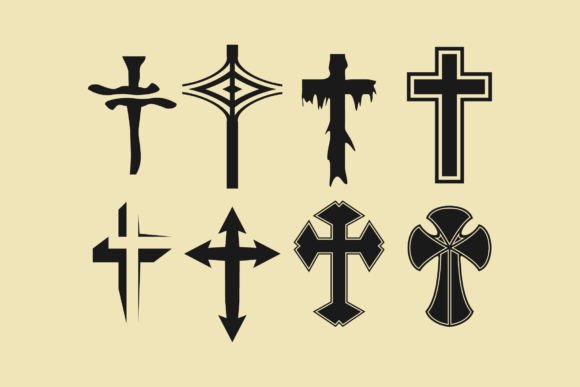
The moment I opened the files, the versatility of the Cross Bundle was apparent. These are not just static images; they are functional design assets that carry a distinct mood. The lines are clean, suggesting a modern design aesthetic that bridges the gap between minimalism and ornate detail. For the client’s campaign, which focused on artisanal home goods, the emotional tone was perfect. It felt grounded yet elegant, avoiding the clutter that often plagues decorative elements in commercial markets.
When considering audience perception, these graphics signal quality. They do not scream for attention but rather invite it through balanced composition. This subtlety is crucial for building audience trust. In a digital landscape saturated with noise, a calm, professional visual hierarchy helps potential customers feel secure in the brand’s competence. Whether used for casual branding or premium visuals, the asset adapts seamlessly, making it a strong contender for diverse marketing materials.
Practical Applications in Marketing Workflows
The true test of any digital product is its utility across various channels. During the campaign rollout, I deployed the Cross Bundle in several key areas. For social media graphics, specifically Instagram posts and Pinterest pins, the transparent PNGs allowed for quick layering over lifestyle photography. This saved hours of editing time while ensuring consistent brand identity across platforms.
For packaging design and product labels, the vector formats were indispensable. Using the SVG and EPS files, we scaled the designs for small sticker accents on gift boxes without losing resolution. This level of flexibility is essential for commercial design where output sizes vary wildly. We also utilized the assets in email banners and website headers, where the clean lines provided a sophisticated frame for promotional copy without distracting from the call-to-action.
- Social Media: Ideal for Instagram stories, Facebook ads, and Pinterest boards.
- Print Materials: Perfect for flyers, posters, and merchandise like tote bags.
- Digital Products: Enhances eBooks, lead magnets, and Canva templates.
- Editorial Design: Adds structure to blog headers and magazine layouts.
Supporting Strategic Marketing Goals
Beyond aesthetics, the Cross Bundle serves strategic purposes. A primary goal was to create a stronger first impression. By using these illustrations as framing devices in marketing visuals, we directed the viewer’s eye to the core message. This improved the visual hierarchy, ensuring that the product remained the hero while the decorative elements provided context and style.
Consistency is another major factor. Using a unified set of clipart and vectors across all touchpoints—from digital ads to printed inserts—reinforced brand recognition. Customers began to associate the specific cross motifs with the brand’s values of craftsmanship and care. This emotional connection is vital for content marketing success, as it transforms passive viewers into engaged followers.
Where to Use It and Where to Exercise Caution
While the Cross Bundle is robust, it is not a one-size-fits-all solution. It works best in hero graphics, campaign headers, and as accents in branded templates. It shines in editorial layouts where whitespace allows the design to breathe. However, designers should be cautious when applying these decorative elements to dense information layouts. In text-heavy ads or formal corporate branding, the intricate details might compete with the main message, causing visual fatigue.
Additionally, avoid using these assets on low-contrast backgrounds. The fine lines require sufficient contrast to remain legible, especially on small mobile screens. For overly minimal brands that rely on stark typography, these graphics might feel too ornate. Always test the asset against your specific brand guidelines to ensure it complements rather than overwhelms.
Designer Notes for Optimal Implementation
To get the most out of this design bundle, I recommend a few practical steps. First, test the vectors with your brand color palette. While black and white usage is classic, tinting the SVGs to match secondary brand colors can create a cohesive look. Second, preview the designs on mobile devices. What looks balanced on a desktop monitor may appear cluttered on a smartphone screen.
Typography pairing is also critical. I found that these cross motifs pair beautifully with serif fonts for a traditional feel, sans serif fonts for a modern edge, and script fonts for a handmade, personal touch. Avoid pairing them with overly complex display fonts, as this can reduce readability. Finally, always confirm the commercial license terms before using the assets in paid campaigns or client work. Understanding the licensing ensures you stay compliant while leveraging the full potential of these creative marketplace resources.
In conclusion, the Cross Bundle is a valuable addition to any designer’s toolkit. It offers the flexibility needed for professional branding and the aesthetic appeal required for engaging content creation. By understanding its strengths and limitations, brand owners and marketers can use these Files eps, pdf, svg and PNG transparency Vectors to create compelling, high-quality visuals that resonate with their audience and drive business growth.