Laser Cutting Wall Decor: A Designer’s Review
As a brand designer who has spent the last decade helping local businesses translate their values into visual identities, I approach every new graphic design asset with a critical eye. It is not enough for a design to simply look good on a screen; it must perform in the real world. Recently, I evaluated Decorative Wall Panels, Multilayer Files for a potential client project involving a high-end artisanal home goods boutique. My goal was to determine if this digital product could serve as more than just interior inspiration, but as a foundational element for small business branding, packaging, and promotional materials.
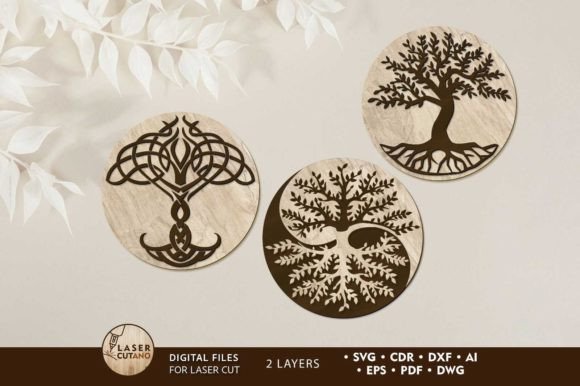
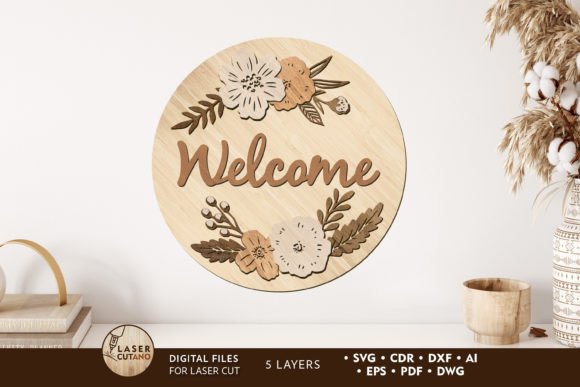
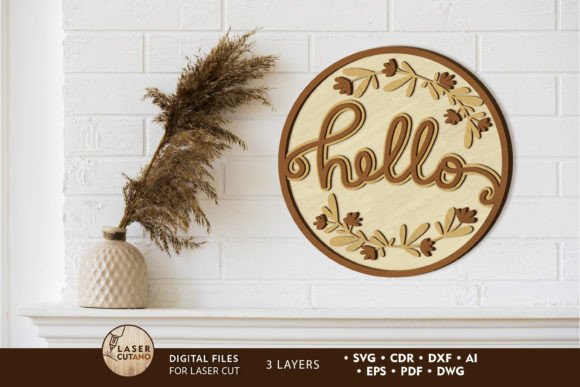
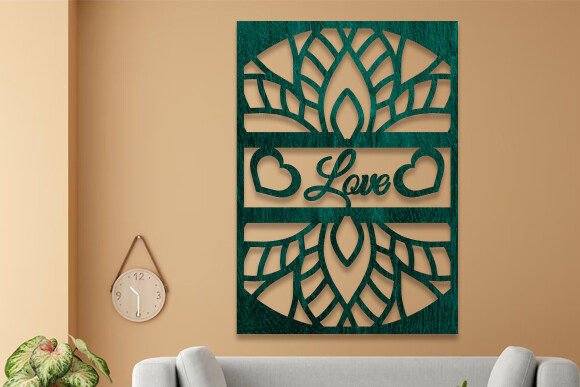
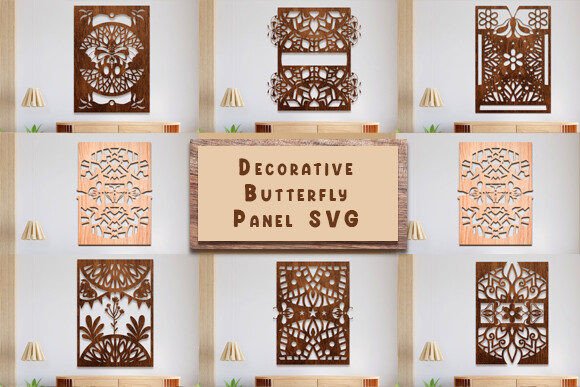
The first impression of these multilayer files is one of structured elegance. The geometric precision suggests a brand personality that is modern, meticulous, and deeply concerned with quality. For a local business specializing in handmade goods, such as a candle maker or a bespoke furniture studio, this aesthetic communicates professionalism without sacrificing warmth. It feels premium yet accessible, striking a balance that is often difficult to achieve in commercial design. While the primary description notes that SIGN Bunlde Digital multilayer layout files are specially prepared for the laser cut, CNC router machine and other cutting machines, my focus was on how these patterns could translate into two-dimensional branding applications.
Integrating Patterns into Brand Identity
When we talk about brand identity, we often fixate on the logo. However, the supporting elements—patterns, textures, and secondary graphics—are what create a cohesive experience. I tested these wall panel designs as background textures for product label layouts and packaging design concepts. The result was surprisingly versatile. By simplifying the complex layers into flat vector shapes, I created a subtle watermark effect for tissue paper wraps and box interiors. This technique adds depth to unboxing experiences, making the customer feel they are receiving something curated and special.
For social media managers and creative entrepreneurs, these assets are a goldmine for content creation. I used the geometric motifs to frame text in social media graphics, creating a consistent visual language across Instagram stories and Pinterest pins. The clean lines work exceptionally well with both serif and sans-serif typography, allowing for flexible editorial design in blog headers or email newsletters. Whether you are promoting a seasonal sale or sharing behind-the-scenes content, having a unique pattern library sets your marketing visuals apart from competitors using generic stock photos.
Practical Applications for Local Businesses
The versatility of this asset extends far beyond digital screens. For a handmade business, physical touchpoints are crucial. Here is how I envision these files being utilized in a real-world scenario:
- Packaging Accents: Use the simplified layers as die-cut windows on product boxes, allowing a glimpse of the item inside while maintaining structural integrity.
- Hang Tags and Labels: Incorporate the border elements into thank-you cards and price tags to reinforce brand recognition at the point of sale.
- Store Signage: For brick-and-mortar shops, these patterns can be vinyl-decaled onto windows or printed on large-format banners to create an inviting storefront presence.
- Web Design Elements: Use the SVG versions as subtle background patterns for website headers, ensuring fast load times and crisp resolution on all devices.
It is important to note where caution is required. While these designs are beautiful, they can overwhelm if not managed correctly. I would advise against using the full-complexity multilayer files on very small labels where ingredient lists or legal information must be legible. In luxury minimalist brands, too much decoration can compete with the product itself. Always ensure there is sufficient negative space and that the contrast between the pattern and the text remains high. If the background is busy, the text must be bold and simple.
Designer Notes for Implementation
Before integrating any new asset into a client’s ecosystem, I follow a strict testing protocol. Here are my practical notes for anyone looking to use these design assets in their professional branding efforts:
- Test on Real Mockups: Do not rely solely on screen previews. Print the pattern on actual paper stocks or apply it to a product mockup to see how ink absorption affects the fine lines.
- Check Black and White Usage: Ensure the design holds up in monochrome. Many local businesses print receipts, invoices, and basic labels in black and white to save costs. The pattern should remain recognizable without color.
- Verify Vector Editability: Since these are intended for Laser Cutting and CNC machines, the files should be scalable vectors. Check the SVG design paths for closed shapes and clean nodes to avoid cutting errors.
- Review Commercial License: Always confirm the commercial license terms. Ensure you are permitted to use the asset for physical product sales and client work, especially if you are a freelance designer managing multiple accounts.
- Typography Pairing: Test the pattern beside various font styles. I found that a clean handwritten font paired well with the geometric rigidity of the panels, creating a friendly yet structured vibe suitable for boutique owners.
Ultimately, the value of Decorative Wall Panels, Multilayer Files lies in its adaptability. It is not just a file for creating Wall Decor; it is a building block for a comprehensive visual strategy. By leveraging these patterns, small business owners can create a stronger emotional connection with their customers through consistent, high-quality visual hierarchy in their marketing materials. Whether you are designing a Canva template for a client or crafting custom packaging for a food business, these elements provide the polish needed to elevate a brand from amateur to professional.
In conclusion, while the original intent of these files may be for physical fabrication, their potential in digital product creation and printable design is immense. For the savvy brand designer or entrepreneur, they offer a cost-effective way to introduce unique, proprietary-looking graphics into a brand’s toolkit. Just remember to test, refine, and apply them with intention. When used correctly, they do not just decorate; they communicate value, care, and attention to detail—qualities that every successful local business strives to embody.