Review: Wooden Decorative Frame Laser Cut Design
As a designer who has spent years tweaking stitch paths and troubleshooting thread breaks, I approach every new machine embroidery design with a mix of curiosity and caution. When I first opened the zip folder for the Wooden Decorative Frame Laser Cut, my initial reaction was one of pleasant surprise. This is not your typical floral motif or standard monogram frame. It carries a distinct architectural weight, mimicking the precision of laser-cut wood through digital stitching. For those of us in the craft business, finding assets that bridge the gap between modern minimalism and traditional warmth is rare.
It is crucial to note right away that this is a DIGITAL product. No physical item will arrive at your doorstep. The photos provided are strictly for inspiration, showcasing how the design might look once stitched out. Your purchase includes the digital files necessary to bring this concept to life on your own machine. Understanding this distinction is vital for setting realistic expectations before you begin your next embroidery project.
First Impressions and Visual Personality
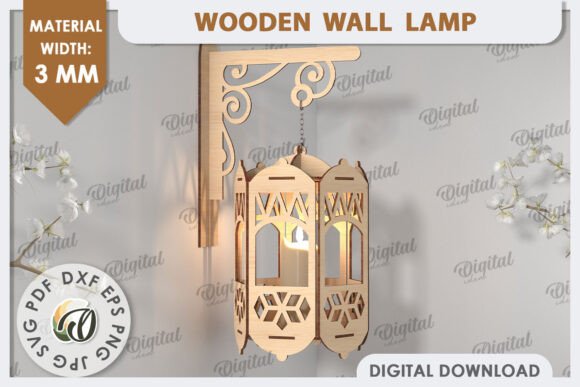
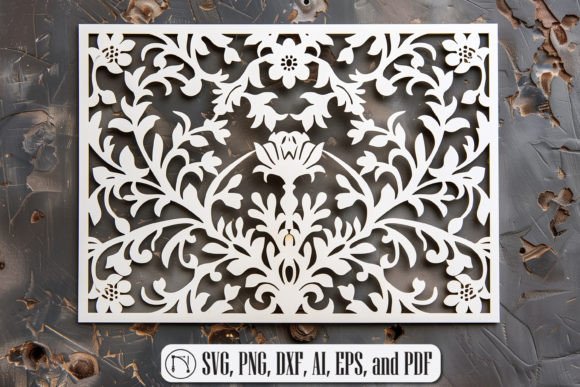
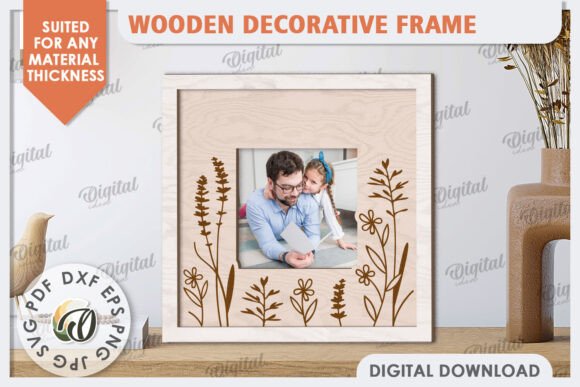
The mood this design creates is sophisticated yet rustic. The layout suggests a frame that could easily belong in a high-end boutique selling Wall Decor or artisanal home goods. The detail level is impressive, balancing open spaces with intricate borders that mimic the clean lines of Laser Cutting. Visually, it feels structured and intentional. This is not a design that screams for attention with chaotic colors; rather, it invites the viewer to appreciate the craftsmanship of the stitch work itself.
For an Etsy seller or small shop owner, this visual personality is a goldmine. It fits seamlessly into brands that value handmade authenticity without sacrificing modern aesthetics. Whether you are creating a personalized gift for a wedding or developing a line of custom apparel, this frame provides a professional backbone that elevates the perceived value of the finished product.
Real-World Application: The Tote Bag Test
To truly evaluate a design, I believe in putting it to work. I recently prepared a custom embroidered tote bag for a client who wanted something understated but elegant. I chose the Wooden Decorative Frame Laser Cut as the central element, planning to place a simple initial inside the frame. The result was striking. On the heavy canvas fabric, the design held its shape beautifully. The simulated wood grain effect, achieved through careful manipulation of fill stitch and running stitch patterns, added texture without becoming bulky.
This scenario highlights why this design is so versatile. It works exceptionally well for tote bag design because it doesn't rely on tiny, fragile details that might get lost in the weave of coarse fabric. Instead, it uses bold lines that read clearly from a distance. Imagine applying this same logic to a sweatshirt embroidery project. The frame would sit comfortably on the chest or back, providing a structured area for text or a logo, making it ideal for commercial embroidery clients who need brand consistency.
Navigating Fabric and Hoop Constraints
While the design is robust, it is not without its challenges. As with any complex embroidery file, context matters. If you are working with stretchy fabric like jersey knits for baby clothes, you must be diligent with your stabilizer choice. The density of the frame borders requires a cut-away stabilizer to prevent puckering, especially if you are using a satin stitch for the inner details.
Additionally, consider your hoop size. This design demands space. Trying to shrink it down to fit a small 4x4 hoop for an embroidered patch might compromise the clarity of the "laser cut" illusion. The fine lines that mimic wood grain could merge into a solid block of thread if the scale is too small. I recommend testing the design on scrap fabric first, specifically checking how the stitch density interacts with your specific machine’s tension settings.
Dark fabrics present another consideration. If you are stitching this onto a black hoodie or navy apron, ensure your thread colors have enough contrast. A low-contrast thread might make the intricate border details disappear, reducing the design to a vague shape. Always test your thread color combinations on a swatch before committing to the final handmade product.
Enhancing Brand Value and Customer Trust
From a business perspective, the Wooden Decorative Frame Laser Cut does more than just decorate; it communicates quality. Customers associate clean, precise stitching with professionalism. When they see a holiday embroidery gift or a nursery decor item featuring this frame, they perceive a higher level of care. This perception builds trust, which is essential for craft business growth.
For digital product sellers, this asset can also be used in printable mockup creation. By showcasing the design in various contexts—such as on a kitchen towel, a pillow cover, or a cap—you can create compelling marketing materials that help buyers visualize the end result. This versatility makes it a valuable addition to your library of design assets.
Practical Notes for the Embroiderer
Before you dive into production, keep these practical tips in mind:
- Check the License: Always confirm the licensing terms included in the zip folder. Ensure you are allowed to use the design for commercial embroidery projects if you plan to sell the small shop product.
- Test on Scrap: Never skip the test stitch. Use the same fabric and stabilizer combination you plan to use for the final item.
- Inspect Small Details: Zoom in on your software to check for any potential jump stitches or unnecessary trims that might slow down your machine.
- Contrast is Key: Use black and white mockups to verify that the design’s structure remains visible regardless of thread colors.
- Fabric Texture: Be mindful of fabric texture. Highly textured fabrics like terry cloth may obscure the finer details of the frame.
In conclusion, the Wooden Decorative Frame Laser Cut is a thoughtful, well-executed digital embroidery file that offers significant value to serious makers. It requires a bit of technical attention regarding stabilizer and scale, but the payoff is a polished, professional look that enhances any custom apparel or home decor item. Whether you are an experienced apparel decorator or a hobbyist looking to elevate your baby embroidery gifts, this design deserves a spot in your repertoire.