Reviewing the Hanging Decorative Sign Laser Cut Design
As a designer who spends half my life digitizing for needle and thread, I usually approach vector files with a specific skepticism. We are trained to look for closed shapes, smooth curves, and stitch-friendly geometry. However, the Hanging Decorative Sign Laser Cut Design caught my eye not just as a cutting file, but as a source of inspiration for mixed-media embroidery projects. While this product is explicitly marketed for Laser Cutting machines—with clear instructions that red lines indicate cuts and black lines indicate engraving—its structural elegance offers unique opportunities for the modern craft business.
First Impressions and Visual Mood
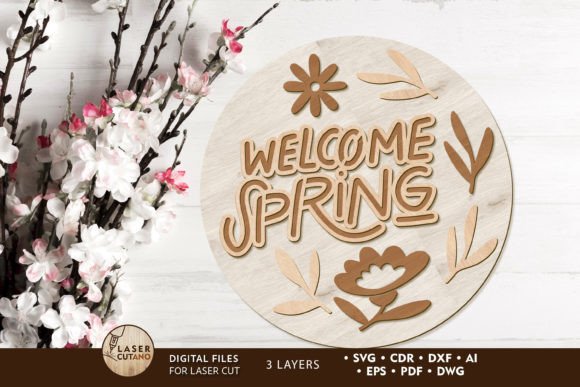
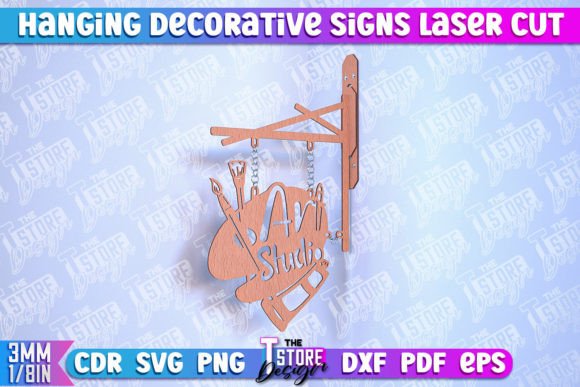
The immediate impression of this design is one of rustic sophistication. It carries the visual weight of a handmade boutique item rather than a mass-produced commodity. The layout suggests a hanging tag or plaque, featuring clean lines and balanced negative space. For an embroidery designer, this balance is crucial. It means the design does not rely on dense, chaotic detailing that can puckers fabric or break needles. Instead, it offers a framework that feels airy yet substantial.
The theme leans heavily into the "handmade" aesthetic that dominates current trends on platforms like Etsy. It evokes feelings of warmth, personalization, and care. This is not a design that screams for attention; rather, it invites closer inspection. For small shop owners, this subtlety is a powerful tool. It allows the material quality and stitching precision to take center stage, enhancing the perceived value of the finished product without overwhelming the viewer.
Translating Laser Concepts to Embroidery Projects
You might wonder how a file intended for Laser Cutting fits into an embroidery workflow. The key lies in adaptation. While you cannot directly import this CNC file into your embroidery software as a stitch file, the geometry serves as a perfect template for creating custom applique designs or structured embroidered patches.
Consider a real-life scenario: You are preparing a line of custom tote bags for a local farmer’s market. Using the shape defined by the Hanging Decorative Sign Laser Cut Design, you could cut felt or sturdy canvas using the vector path as a guide. Then, you would use a satin stitch or running stitch to secure the edges and add personalized text within the engraved areas. This hybrid approach combines the crispness of laser-cut precision with the tactile warmth of thread.
This method works exceptionally well for:
- Sweatshirt embroidery: Creating a structured patch that sits cleanly on fleece without sinking into the pile.
- Tote bag design: Adding a durable, decorative label that withstands frequent washing.
- Holiday gifts: Crafting personalized ornaments where the laser-cut shape provides a rigid base for decorative stitching.
- Nursery decor: Making soft, safe tags for baby items where smooth edges are essential.
Practical Considerations for Real-World Use
When integrating this design concept into your embroidery project pipeline, there are technical factors to weigh. The original file specifies compatibility with cutting machines, noting that software compatibility is the user’s responsibility. Similarly, when adapting these shapes for embroidery, you must verify that your digitizing software can handle the conversion from vector paths to stitch data effectively.
Fabric texture plays a significant role here. Because the design relies on clear lines and potentially open spaces, it performs best on stable, medium-weight fabrics. Thin or stretchy materials may distort the shape unless properly stabilized. I recommend using a cut-away stabilizer for garments that will undergo frequent washing, such as custom apparel or baby embroidery items. For decorative pieces like pillow covers or wall hangings, a tear-away stabilizer might suffice, provided the stitch density is low.
Be cautious with small details. If you plan to replicate the intricate elements of the sign in thread, ensure your hoop size allows for sufficient resolution. Tiny lettering or fine corners can become lost if the stitch density is too high or if the thread color lacks contrast against the background. Always test the design on scrap fabric first. Check how the satin stitch behaves on the curves and whether the fill stitch areas lay flat without bubbling.
Enhancing Brand Consistency and Customer Trust
For Etsy sellers and creative entrepreneurs, consistency is key to building brand recognition. The Hanging Decorative Sign Laser Cut Design offers a versatile template that can be adapted across various product lines. Whether you are selling personalized gifts or small shop products, using a consistent shape language helps customers identify your work instantly.
Imagine using this sign shape as a branding element on every item you sell. It becomes a signature mark of quality. When customers see that familiar silhouette, they associate it with the craftsmanship they have come to trust. This visual consistency enhances professionalism and can significantly boost buyer engagement. It transforms a simple handmade product into a recognizable brand asset.
Moreover, the adaptability of this design allows for seasonal variations. You can change the thread colors to match holiday themes—reds and greens for Christmas, pastels for Easter, or earth tones for autumn. This flexibility makes it an invaluable addition to your library of design assets, reducing the time needed to create new listings for each season.
Designer Notes and Final Recommendations
Before committing to a large production run, take the time to refine your approach. Here are some practical steps to ensure success:
- Verify Licensing: Since this is a digital product intended for laser cutting, confirm the license terms if you plan to sell finished items derived from its shape. Ensure you have the right to use the geometry for commercial embroidery projects.
- Test Contrast: Create mockups in both black and white to check visibility. High contrast between the stitch work and the fabric is essential for clarity, especially on textured materials.
- Check Compatibility: Just as the product description advises checking machine compatibility for laser cutters, ensure your embroidery machine can handle the complexity of any applique or dense stitching you plan to add.
- Consider the End Use: If the final product will be washed frequently, prioritize durability. Use polyester threads for colorfastness and secure all edges thoroughly to prevent fraying.
In conclusion, while the Hanging Decorative Sign Laser Cut Design is technically a file for Laser Cutting machines, its value extends far beyond the cutter bed. For the thoughtful designer, it represents a blueprint for creating distinctive, high-quality embroidered goods. By understanding its structural strengths and adapting it with care, you can produce finished products that stand out in a crowded marketplace. It is a reminder that great design transcends specific tools, offering endless possibilities for those willing to experiment and innovate.