Laser Cutting Boxes: A Designer’s Review
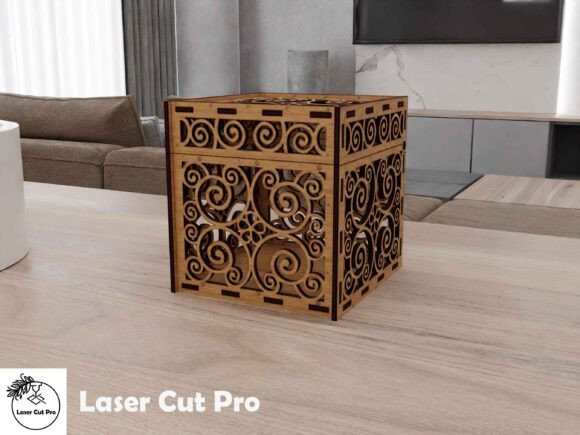
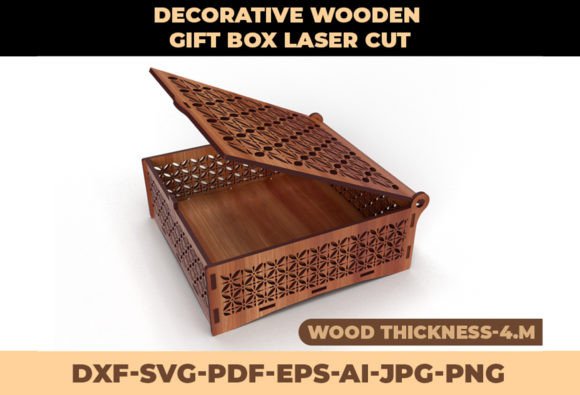
When I first opened the file package for the Decorative Laser Cut Wooden Gift Box, my immediate thought was not just about the geometry, but about the tactile promise it holds for a brand. As a brand designer who has spent years helping local businesses transition from generic packaging to memorable brand experiences, I look at assets like this through a specific lens: does it elevate the perceived value of the product inside? The answer here is a resounding yes, provided it is applied with strategic intent.
This asset is not merely a template; it is a structural foundation for storytelling. The intricate patterns suggested by the vector files evoke a sense of craftsmanship and care. For a local business, particularly those in the handmade, boutique, or artisanal sectors, this mood is invaluable. It suggests a brand personality that is organic, elegant, and deeply rooted in quality. Whether you are running a small skincare line, a bespoke jewelry shop, or a high-end candle brand, this design language communicates that the contents are precious before the customer even lifts the lid.
Integrating Structure into Brand Identity
In real-world application, I recently utilized a similar structural concept for a local florist looking to upgrade their premium gift offerings. The challenge was to create a product label and packaging system that felt luxurious without relying on expensive foil stamping or complex printing processes. By leveraging the precision of Laser Cutting, we were able to create a visual hierarchy that drew the eye immediately to the brand logo placed centrally within the cut-out negative space.
This is where the versatility of the Decorative Laser Cut Wooden Gift Box shines. It is not limited to wood. While the primary use case involves physical fabrication for Boxes, the graphic design asset itself serves as a powerful tool for digital and print marketing. Imagine using the intricate border patterns from the laser-cut design as a frame for your social media graphics. It creates instant brand recognition across Instagram posts, website banners, and promotional ads. The consistent use of these decorative elements strengthens the emotional connection with customers, making your brand feel cohesive and professional.
Practical Applications for Small Business Branding
For small business owners and creative entrepreneurs, this asset offers multiple avenues for enhancing small business branding. Here is how I recommend integrating it into your workflow:
- Packaging Design: Use the vector files to guide the physical creation of wooden or acrylic boxes. The precision ensures clean edges and professional finishes.
- Product Labels: Extract specific pattern elements to use as background textures for your product labels. This adds depth without overwhelming the essential text.
- Marketing Visuals: Incorporate the silhouette of the box into your product mockup scenes. It helps customers visualize the unboxing experience before they purchase.
- Social Media Graphics: Use the decorative borders as frames for customer testimonials or seasonal announcements, maintaining a consistent aesthetic.
- Printable Design: Adapt the patterns for thank-you cards and hang tags. This extends the premium feel of the packaging to every touchpoint of the customer journey.
The key is consistency. When a customer sees the same intricate lattice work on your logo design, your packaging, and your website, it builds trust. It signals that attention to detail is a core value of your business.
Where to Exercise Caution
While this asset is powerful, it is not a one-size-fits-all solution. In my experience, overly decorative elements can sometimes compete with critical information. For formal corporate branding or luxury minimalist brands, the intricate nature of laser-cut patterns might feel too busy. If your brand identity relies on stark simplicity and bold typography, this decorative style could dilute your message.
Additionally, be mindful of scale. When applying these patterns to very small labels or ingredient-heavy layouts, ensure that the design does not obscure legal information or readability. Always test the contrast. If you are printing on dark backgrounds, ensure the cut-out areas or printed lines have sufficient visibility. For low-contrast backgrounds, the delicate lines may get lost, reducing the impact of the design.
Designer Notes for Implementation
Before committing to production or finalizing your commercial design files, there are several practical steps I always take. First, test the asset on real packaging mockups. Digital previews can be deceiving; seeing how the light interacts with the cut-outs in a 3D render provides a more accurate expectation of the final product.
Second, check the black and white usage. A strong brand identity should work in monochrome. Ensure that the pattern remains distinct and recognizable without color reliance. Third, preview the design on small labels. What looks impressive at full size may become a muddy blur when shrunk down for a sticker or tag.
Typography pairing is also crucial. I recommend testing the decorative elements beside various font styles. Serif fonts often complement the traditional elegance of laser-cut patterns, while modern sans-serif fonts can create an interesting contemporary contrast. Avoid pairing it with overly ornate script fonts, as this can lead to visual clutter.
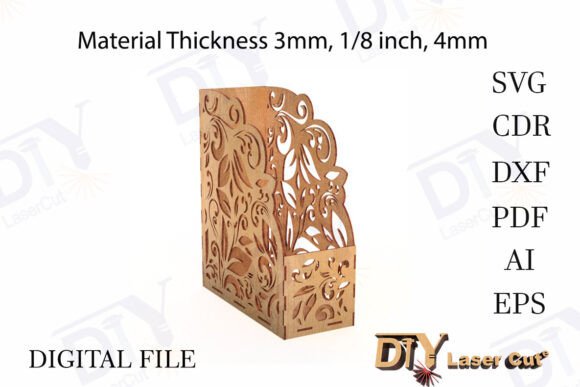
Finally, always confirm the commercial license terms. Since this is a digital product intended for physical creation and branding, ensure you have the rights to use the vector files for client work and physical product sales. The inclusion of multiple file formats, such as EPS and SVG, allows for scalability and editability, which is essential for adapting the design to different dimensions and materials.
In conclusion, the Decorative Laser Cut Wooden Gift Box is more than just a container; it is a strategic brand asset. When used thoughtfully, it enhances shelf appeal, improves customer trust, and elevates the overall perception of your products. For local business owners looking to differentiate themselves in a crowded market, investing in high-quality, versatile design assets like this is a step toward building a lasting and professional brand presence.