Review: Wooden Paper Tray Laser Cut Organizer
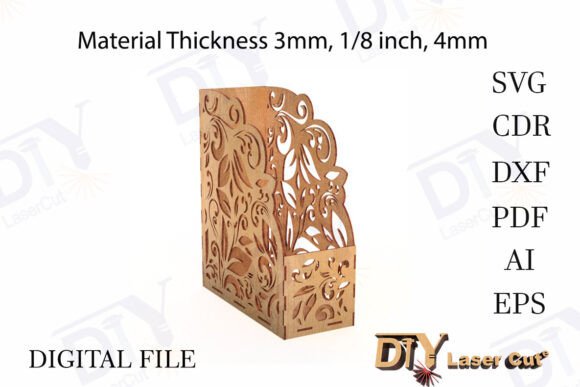
As a designer who spends half my life staring at digitized files and the other half watching needles punch through fabric, I have developed a keen eye for what makes a design work in the real world. We often get caught up in the digital preview, admiring the clean lines on a screen, but the true test of any machine embroidery design is how it translates to physical media. Recently, I evaluated the Wooden Paper Tray Laser Cut, Organizer not as a woodworking template, but as a conceptual reference for structural organization in craft projects. While this specific item is technically a Laser Cutting template for a holder with a leaf pattern, its aesthetic principles offer valuable lessons for those of us working in thread.
The First Impression: Structure Meets Nature
When I first opened the file for the Wooden Paper Tray Laser Cut, Organizer, I was struck by the balance between utility and organic beauty. The leaf pattern vector file suggests a calm, natural mood that is increasingly popular in modern home decor and boutique branding. For an embroidery designer, this visual language is crucial. It tells me that if I were to adapt this concept into an embroidery project, I would need to prioritize clarity and flow over excessive density.
The layout feels intentional. It is not cluttered. This is a vital characteristic for any design assets intended for commercial use. Whether you are an Etsy seller creating custom apparel or a hobbyist making personalized gifts, the "less is more" approach often yields higher perceived value. The leaf motif provides a softness that counteracts the rigid geometry of a tray or organizer, a technique we can replicate in stitch work by pairing structured satin stitches with flowing fill stitches.
Real-World Application: From Digital File to Finished Product
Let’s consider a realistic scenario. Imagine you are preparing a custom order for a local boutique that sells eco-friendly office supplies. They want a line of tote bag design options that complement their wooden organizers. Using the aesthetic of the Wooden Paper Tray Laser Cut, Organizer as inspiration, you might create an applique design that mirrors the leaf cutouts. This creates a cohesive brand story where the physical product and its packaging or accompanying textiles speak the same visual language.
In terms of custom apparel, this style works exceptionally well on sweatshirt embroidery. The thicker fabric of a sweatshirt can support the weight of a detailed leaf pattern without puckering, provided you use the correct stabilizer. I envision this design placed subtly on the left chest or as a larger statement piece on the back. The natural theme resonates with customers looking for holiday embroidery gifts that feel timeless rather than trendy. It fits seamlessly into collections for nursery decor, wedding gifts, or even baby embroidery items like blanket borders, where soft, organic shapes are preferred over sharp, aggressive lines.
Performance on Different Materials
One must be realistic about where this type of intricate, nature-inspired design succeeds and where it struggles. On smooth, woven fabrics like cotton twill or linen, the details of a leaf pattern will shine. However, on textured fabrics or stretchy materials, the clarity can be lost. If you are working on a curved surface like caps, you must simplify the design. Tiny details in the leaf veins may merge together if the stitch density is too high or if the fabric shifts during stitching.
For embroidered patch creation, this design could be stunning if converted into a merrowed edge patch. The contrast between the green threads and a neutral background would mimic the wooden aesthetic effectively. However, avoid using this level of detail on thin, sheer fabrics unless you are using a cut-away stabilizer and testing extensively. The tension required for dense fill stitches can distort delicate materials, ruining the finished product.
Visual Appeal and Brand Consistency
Why does the Wooden Paper Tray Laser Cut, Organizer matter to a stitcher? Because it represents a standard of quality. Customers trust handmade products that look professional. A sloppy, overly dense embroidery job undermines that trust. By studying the clean vectors of this laser-cut template, we learn the importance of negative space. In embroidery, negative space is just as important as the thread. It allows the eye to rest and highlights the craftsmanship.
For small shop product lines, consistency is key. If your brand focuses on natural, organized, and stylish living, your embroidery designs should reflect that. Using a digital embroidery file that mimics the precision of laser cutting can elevate your craft business. It shows attention to detail. When a customer receives a personalized gift with crisp, well-digitized leaves, they perceive higher value. This leads to better reviews and repeat business.
Practical Designer Notes
Before you rush to stitch this concept or any similar Boxes-inspired design, take these practical steps:
- Test on scrap fabric first: Never stitch a new design directly on your final garment. Check how the thread colors interact with the material.
- Check stitch density: High density can cause puckering. Ensure your digitizing software allows you to adjust pull compensation.
- Confirm hoop size: Make sure the design fits within your machine’s maximum area without requiring complex re-hooping.
- Inspect small details: Zoom in on the vector file. Are the leaf tips too sharp for a needle to follow? Simplify if necessary.
- Use proper stabilizer: Match the stabilizer to the fabric weight. Tear-away for stable wovens, cut-away for knits.
- Verify licensing: Since this is a Laser Cutting template, ensure you have the rights to use the visual design for commercial embroidery if you are selling the finished product. Do not assume cross-category licensing applies.
Remember, while the Wooden Paper Tray Laser Cut, Organizer is fundamentally a tool for woodworkers, its design philosophy is universally applicable. It teaches us that organization and beauty can coexist. For the creative entrepreneurs and apparel decorators among us, let this be a reminder to keep our designs clean, our stitches purposeful, and our products reflective of the natural elegance our customers crave. Always check the specific file formats and machine compatibility if you are adapting vector art into stitch files, as these technical details are not always provided in the initial description.
In the end, whether you are making a kitchen towel or a complex commercial embroidery run for a corporate client, the principle remains: clarity wins. Let the design breathe, respect the fabric, and let your stitching tell the story.